'I felt a sense of worthlessness' - Mark Cavendish opens up in his new documentary.
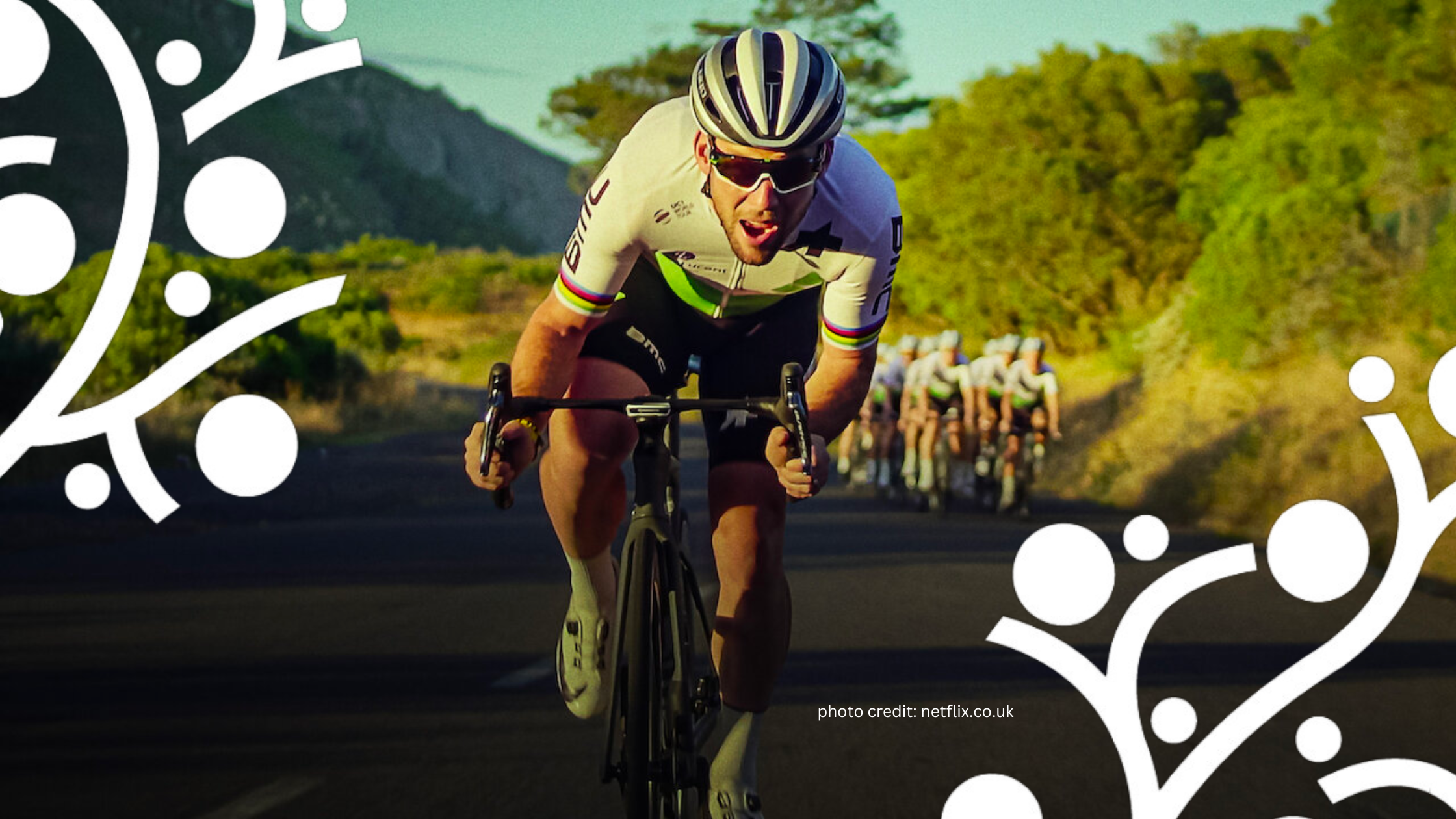
'Mark Cavendish: Never Enough’ dropped on Netflix this week. It’s a no-holds-barred documentary following the former World Champion cyclist’s battle to recover from Epstein-Barr virus and clinical depression.
Epstein-Barr is the virus that causes glandular fever and results in extreme fatigue and the risk of more severe complications.
Cavendish returned to racing in 2017, following his diagnosis of Epstein-Barr, but fell ill again quickly and ended up struggling with the virus for two years.
The illness left him with a loss of form, strength and identity which in turn led to severe depression, with him admitting that he felt a ‘sense of worthlessness’, although at the time the thought that he was suffering from a mental illness hadn’t crossed his mind.
Cavendish found himself struggling to cope with the emotional and mental challenges that depression brought into his life. He felt lost, adrift, and unsure of his purpose as his career suffered due to his struggle to regain his form and fitness to compete in such a tough sport.
‘I’d lost any get up,’ he says in the documentary. And his wife, Peta, adds that it was a time where she didn’t recognise her husband.
Through sharing his journey, Cavendish insists he doesn’t want sympathy or pity, but instead wants to make mental health problems more relatable and reduce the stigma surrounding them.
‘I'm conscious there are people in a lot worse situations than me,’ he says. ‘I don't want to sit here saying I feel sorry for myself...I'm privileged to have the life I've had. What we want the film to show is that depression can affect anybody in the world, no matter who you are.'
Depression often isolates individuals, and Cavendish hopes that by breaking the silence and sharing his story, he can help people struggling realise that they’re not alone.
‘The irony is that you feel so alone if you suffer when in fact everyone is probably there thinking they’re alone,’ he says. ‘If you talk, you’d be surprised how much you’ve got in common.’
During the film, we hear that as Cavendish started telling people his career was over and his former team doctor, Helge Riepenhof was worried that he 'wasn’t sure if he would get out of the depression without quitting cycling.'
It was around this time that his team, Dimension Data, brought in psychologist David Spindler. Cavendish admits he wasn’t sure how to cope with a psychologist. ‘I always felt judged,’ he says. ‘Do I cross my arms in front of you?’
Many people struggle with the thought of therapy, often through fear of judgement, or that it’s ‘not for them’. However, Cavendish proves that the right therapist can help you understand your thoughts and emotions and give you the tools to help you tackle the problems you face.
It took Cavendish a long time to open up to Spindler, but the therapy took him back to his first races, when he was a child, and he began to understand that a lot of his feelings of freedom came from his bike, not necessarily his racing.
One of the big turning points for Cavendish was a change of perspective, when he realised that while cycling was his passion and profession, being a loving husband and father was his ultimate purpose.
It’s an inspiring watch, even for those who aren’t cycling fans. We’d definitely recommend giving it a try.
You can watch the documentary 'Mark Cavendish: Never Enough' on Netflix.