Kate Winslet’s BAFTA talks of social media harm to teens.
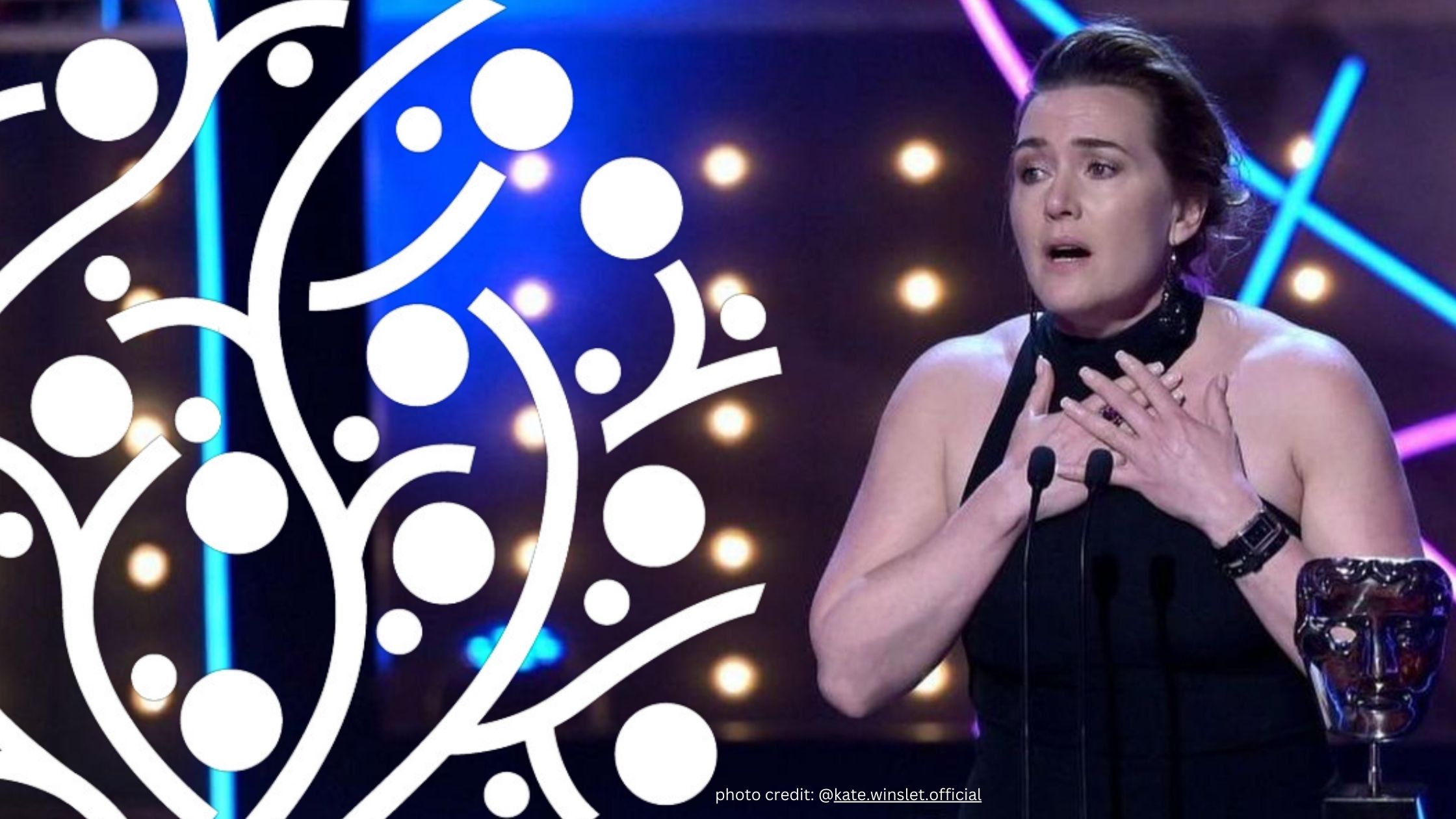
Last night, Kate Winslet won a BAFTA for her role in Channel 4 Film I Am Ruth, a drama exploring the effects of social media on a teenager’s mental health and her family relationships
While social media can help build communication and relationships, it can also breed comparison, self-doubt, and anxiety among those who use it, especially tweens and teens.
In her thought-provoking acceptance speech, Winslet spoke out about the “perils of the online world”.
And she called for changes to be made.
“To people in power, please criminalise harmful content, please eradicate harmful content, we don’t want it,” she said. “We want our children back. We don’t want to lie awake terrified for our children’s mental health.”
And she urged young people who had been affected by the “darker side” of social media to ask for help.
Social media has created a culture of comparison. Teens witnessing their peers' apparently perfect lives and achievements, can feel inadequate and anxious. This can result in pressure to present an idealised version of themselves online, for ‘likes’ damaging their self-worth and self-esteem.
With thousands of filters, and multiple airbrushed photos, social media is having a huge impact on teens’ mental health, especially those suffering from negative body image. The increase and sheer amount of the ‘perfect’ is applying pressure to conform to unrealistic ideals can lead to significant self-doubt among young people, particularly girls.
The anonymity of social media has created an environment where cyberbullying, trolling and online harassment thrives, with teenagers being particularly vulnerable. The constant exposure to hurtful comments and derogatory messages erodes self-confidence and further deteriorates mental well-being. It is crucial to address this issue and promote a culture of kindness, and empathy.
Winslet has highlighted many of the devastating consequences of online abuse, which can lead to isolation, depression, and even suicidal thoughts. She has also stressed the importance of promoting self-acceptance, encouraging young people to focus on their own unique qualities to gain a healthy perspective and combat the damaging influences of social media.
Kate Winslet’s speech has sparked an important conversation about the detrimental effects of social media, and how to combat them.
There is a long way to go, but we are grateful to Kate Winslet for raising the profile of this important issue, and speaking out on behalf of young people and their mental health.
What can you do to help your child combat the negative influences of social media.
- Set healthy boundaries – Encourage your child to take regular breaks and create healthy boundaries when it comes to social media and screen time.
- Communicate – Encourage your teen to share their feelings and concerns with you. Ensure that you create a safe, environment so your child can come to you without fear of judgement or dismissal.
- Encourage a positive self-image – Encourage your child to focus on their strengths, and achievements that are not dependent on being validated on social media. Promote self-compassion and self-acceptance.
- Teach critical thinking – Encourage your child to question and verify the information they see on social media. Help them understand that what they are seeing online rarely reflect reality.
- Practise what you preach – As hard as it is, set an example to your child by being mindful of your own attitudes and reactions to social media. Show them the importance of putting phones away, and spending time with the people in your life who make you feel good for being yourself.