
Men and their Mental Health
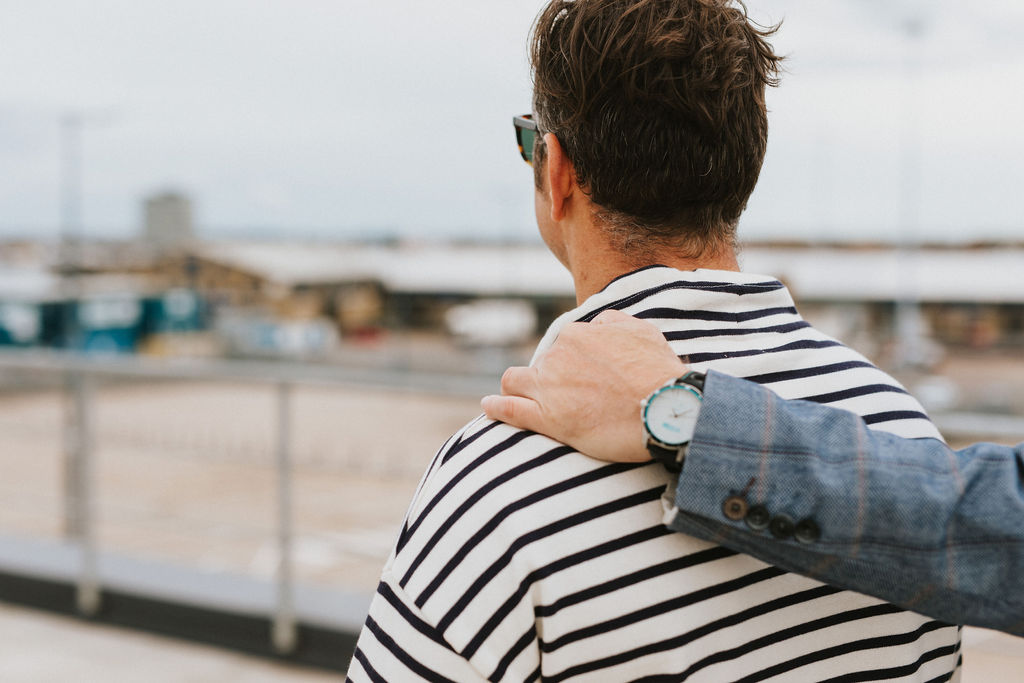
Every year, in and among the awe-inspiring messages of support for women and girls on International Women’s Day, you may occasionally spot the reply, ‘but what about men?’
Well, in case you didn’t know, International Men’s Day does in fact exist, and it is coming up very soon - on 19th November. And, it has been held on this date for more than 10 years – tying in rather nicely to the month-long Movember campaign aimed at helping recognise health and mental health struggles that, specifically, men face.
The question has been raised, why do we need an International Men’s Day, a day to support men and highlight the positive contributions they make to their families and communities? Very quickly let us run some statistics by you.
As found on UKmensday.org.uk:
• In 2021, 4,704 men in England, Wales and Scotland took their own lives. With 2020 figures from Northern Ireland (160), this means nearly 5,000 men per year lose their lives this way. This is the equivalent of 13 per day. Men make up 75% of all deaths by suicide and it is the biggest cause of male deaths under 50.
• When it comes to education, boys continue to have more than three times the number of permanent exclusions than girls, with 3,900 exclusions compared to 1,200 for girls.
• Of the 2,440 estimated to be sleeping rough on a single night in England in 2021, a total of 2,080 were male and 320 were female. Men make up 85% of rough sleepers.
• There are over 84,000 men in prison across England, Wales, Scotland, and Northern Ireland. They make up 95% of the prison population.
• In 2019/2020, 757,000 men suffered from Domestic Abuse. One in three victims are male.
• 989,000 men in total have been a victim of sexual assault since they were 16.
To put it simply, men and boys face challenges too. Issues that may arise during childhood and stick with the person throughout their adolescence and adulthood. Problems that are often faced by the most marginalised in our society, such as those facing homelessness or in care. And when trying to access support and the dedicated services that can help improve their circumstances, men have their own stigmas to face and barriers to overcome. It is access to these services that can hugely, positively impact men’s mental wellbeing and quality of life, and yet some men have a real fear of asking for help.
The Mental Health Foundation says: “Society's expectations and traditional gender roles play a role in why men are less likely to discuss or seek help for their mental health problems. We know that gender stereotypes about women – the idea they should behave or look a certain way, for example – can be damaging to them. But it’s important to understand that stereotypes and expectations can also damage men.”
Strength in numbers
Something that is proven to help men in improving their mental health, is having a community to be a part of. Connecting to people, whether friends, peers, or an online gathering of like-minded men, helps to prevent the feeling of isolation and provide a sense of belonging and purpose. We are, as humans, social beings after all. So, getting together and talking, to discuss what is happening in our lives and, when appropriate, seeking professional support is an important step in helping men and boys look after their mental health.
This is why, over two years ago now, Fortis launched The Westerly Club, a community group for men over the age of 16. A safe space to talk and be heard, with a programme of events, activities, and benefits, free of charge both in person and online. Led by a team of ambassadors and volunteers who offer each other support and advice, The Westerly Club is accessible to everyone, no matter where you are in the world. Find out more about our Westerly’s here.
When it comes to men and mental health, sharing messages through the power of social media can be incredibly impactful. Just like we discussed in one of our recent blog posts for World Mental Health Day, awareness campaigns such as International Men’s Day provide a dedicated space for people to openly talk about issues affecting them, and offer an opportunity for conversations and helpful resources to reach far and wide. If one helpline, personal story, or resonating statistic reaches someone at just the right moment, it could be the catalyst to inspire action and bring about change.
In addition to our own social media messaging, charities and organisations will be posting their own advice, experiences, and helplines throughout the day. Or perhaps, you have your own experiences or stories of positive male role models that you would like to share? Someone who has had an impact on the way you think and inspired you to take action, or someone who has done something that you admire, whether it be a father, brother, friend, neighbour, author, sports person, artist, activist, or business man. If you take the time to share it, to help shape constructive conversations about men, masculinity, and men’s wellbeing, you never know who it might reach and how it could help.


