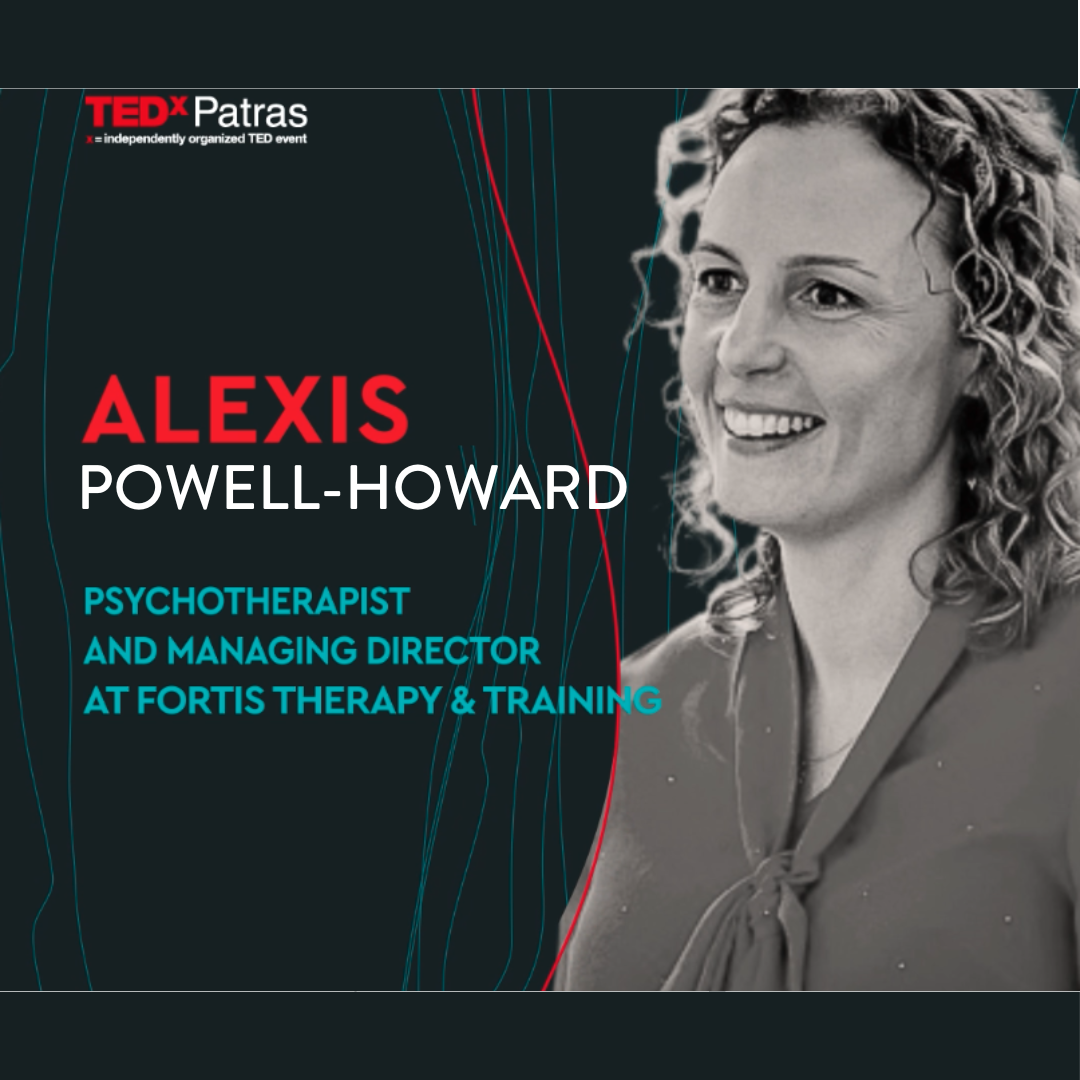
Sir Tony Blair makes a good point….we do need a conversation….
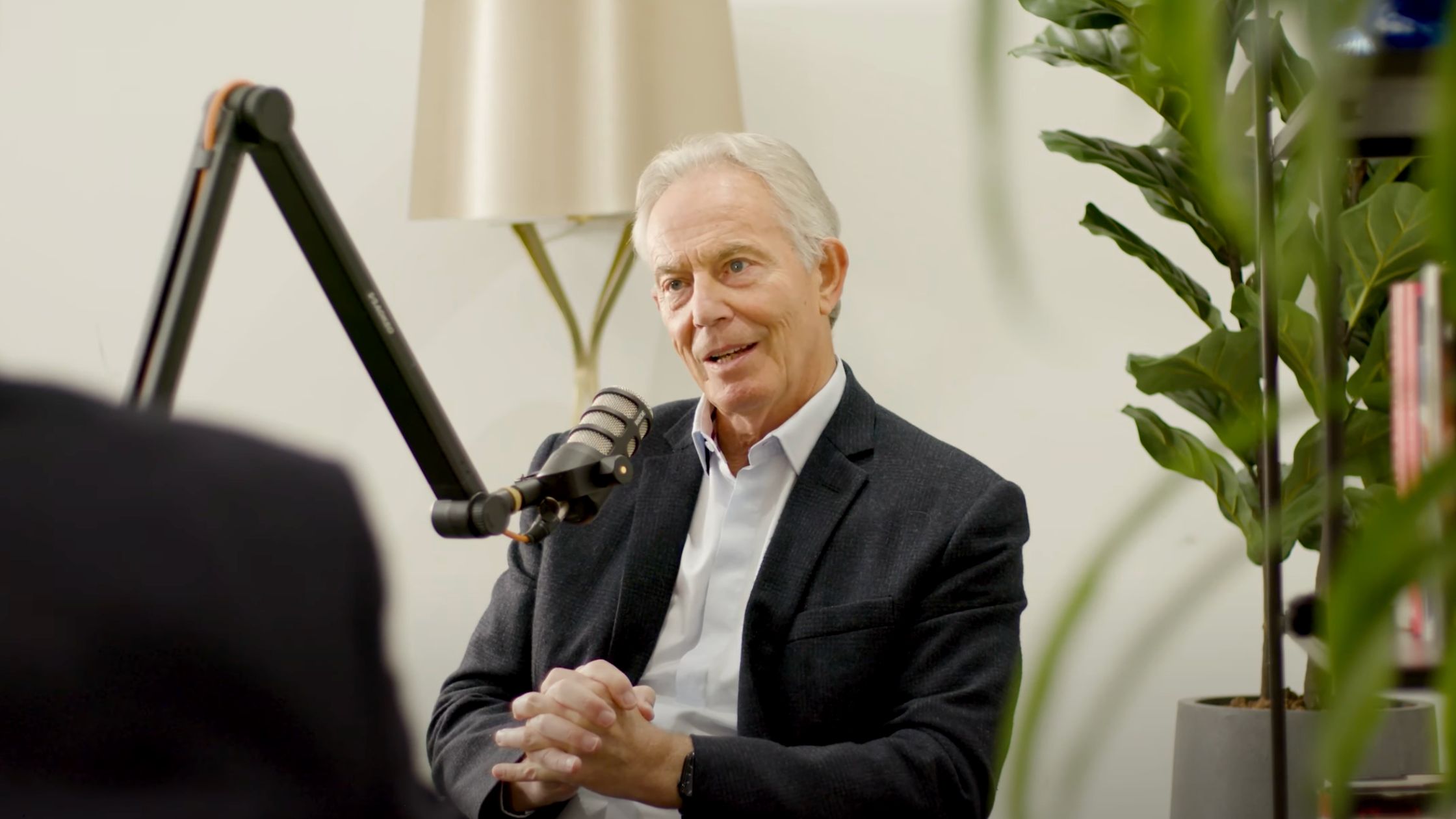
“We need a proper public conversation,” about mental health said former prime minister Sir Tony Blair, on the podcast Jimmy’s Jobs of the Future this week. He stated that we are spending “vastly more” money on mental health than we did a few years ago.
“Life has its ups and downs, and everyone experiences those,” he said. “You’ve got to be careful of encouraging people to think they’ve got some sort of condition other than simply confronting the challenges of life.” And he argued that the country can’t afford to continue spending money on this issue, at the current rate.
You’re right, Tony. We do need a proper conversation, because the reality of the issue is that millions of people are struggling - not just with everyday stresses, but with mental health conditions that require proper resources, support and understanding.
Let’s start by addressing the crisis as it stands. According to the Office for National Statistics, in 2022 nearly a quarter of young people in England now have a “probable mental disorder”. This figure – which has probably risen since then - reflects the cumulative effect of the Covid-19 pandemic: disrupted education, a SEND and early years crisis, and young adults feeling uncertain about their future and place in the world.
But it’s not just children whose mental health has deteriorated since Covid. The number of people receiving Personal Independence Payments for mental-health conditions has more than doubled since the pandemic. Today, nearly 2 million people in England are waiting for mental-health support. That’s 2 million parents, students, workers left in limbo, unable to access the care they urgently need.
Contributing to this crisis are societal factors such as poverty, racism, and financial insecurity, which make life’s “ups and downs” far more difficult to navigate. While we agree with Blair that we need to be cautious about self-diagnosis, we think he’s oversimplify the situation.
Did you know, that while mental health issues account for 20% of all health problems, they receive just 10% of NHS funding. This underfunding, combined with rising demand, is straining the system to breaking point. When care is unavailable, the consequences are devastating. For example, suicide rates have risen among both men and women, with nearly 7,000 people taking their own lives in the UK last year.
At Fortis Therapy, we’ve seen this first-hand. During our first week back in the office after Christmas, we received a record number of referrals for children, adults, couples, and families.
What’s clear is that we need more than just conversations about resilience. We need capacity. Capacity in our mental health services, so people aren’t left waiting years for support. Capacity in our communities, where prevention and early intervention can make a big difference. And capacity in individuals, helping them build the mental strength to face life’s challenges while knowing that professional support is available when needed.
To have a truly “proper conversation” about mental health, we must take it as seriously as physical health. This means addressing not just the symptoms but the underlying societal conditions driving the crisis - poverty, inequality, and lack of access to timely care. It means ensuring that those living with serious mental illnesses are not dismissed, misdiagnosed, or ignored by the system.
This is not just about building resilience - it’s about creating a society where good mental health is not a luxury or an afterthought, but a right.