Stress Awareness Week '22
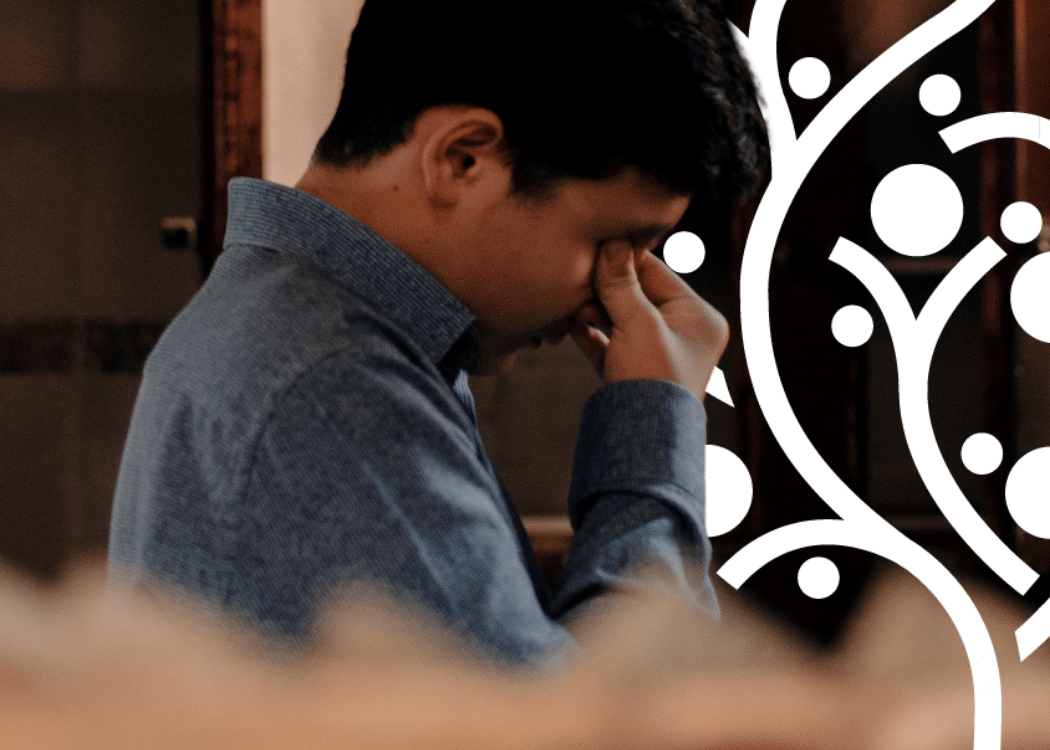
Sometimes, stress can push us forward, encouraging us out of our comfort zones to achieve something that we believed was out of reach. On the other hand, it can have a detrimental impact on our lives, affecting the way we think, behave, and the way we physically feel.
It is something that we all experience, albeit in different ways and at various times throughout our lives. And naturally, we all have our own individual ways to de-stress, to alleviate the tensions, the anxieties, and the physical manifestations.
Between 7th and 11th November, you may notice a lot of talk online and in the news about stress. This is because it is International Stress Awareness Week, and the theme for 2022 is ‘working together to build resilience and reduce stress’.
Asking questions, sharing stories, and getting the conversation around stress going is just one of the ways we can work together to build resilience and, importantly, help each other to cope. So, for Stress Awareness Week, we’ll be doing just that. Here are a few common questions we receive on a regular basis, and some insight which we hope will help you to think about what stress means to you.
What is stress and what does it feel like?
Despite us all experiencing it, there are still a lot of misconceptions about stress. A situation or circumstance does not cause stress directly, these are what we know as stressors or triggers. Stress is the body’s response to whatever it is that may be happening - the thoughts you have, how you feel, and how you respond to it.
This response is the body releasing the stress hormones, cortisol and adrenaline. When you are experiencing overwhelming, excessive pressures over a longer period of time, these hormones are continually being released, which can make you feel physically and mentally unwell and lead to mental health problems.
Many people may recognise headaches, muscle tensions, or struggling to get to sleep when they’re feeling stressed, but it can also cause chest pains, indigestion or heartburn, feeling sick or dizzy, and even shallow breathing, leading to hyperventilation or panic attacks.
Taking the time to stop and consider what your stressors may be and recognising the symptoms you experience is an essential step in learning to manage stress.
Can stress ever be useful, and when is it time to seek help?
Yes, when stress can be managed, some people to find it useful. Cortisol and Adrenaline can push us through times when we are taking risks or feeling nervous, when you are in your ‘stretch zone’, for example. This is something Alexis speaks about: “The ‘stretch zone’ is where the magic happens! We are motivated, challenged, take risks, and are inspired to perform at our highest. In the workplace, in sport, in relationships, this is where we can get the best out of ourselves and other people – we are literally stretching, developing, and pushing to succeed in whatever we have set our mind to.”
However, it is when we go past the stretch zone and enter the ‘strain zone’ or ‘panic zone’, that stress perhaps becomes unmanageable.
“The ‘strain zone’ and the ‘panic zone’ are the zones where we start to see performance reduce and anxiety increase,” adds Alexis. “Being in the strain zone short-term means we are working under pressure that is more than we can realistically cope with, but we may be working to a deadline, or an audit and so there is an end in sight. We might have short periods of strain in our relationships too due to tensions and difficulties. However, long-term, being in the ‘strain zone’ or tipping in to the ‘panic zone’ can impact on our mental and physical health and we may become anxious, low in mood, have an inability to cope, become exhausted, struggle to sleep, our eating may be affected, we can burn out and as a result, be physically unwell too.”
To put it simply, if you constantly feel stressed, overwhelmed, unable to cope, then please do seek help.
What are workplaces doing to help reduce stress?
Support for employees’ wellbeing in the workplace has come a long way in recent years. It seems more and more organisations are taking steps and making sincere moves to include mental health assistance in their structures, providing wellbeing check-ins and therapy for employees, implementing flexible working, or investing in awareness training, for example.
However, in order for change to be effective and long-lasting, you have to look thoroughly at the culture as a whole – the working conditions, the relationships, the process and systems in place, and the values of the organisation, whether it is a business, a school, a charity, or an emergency service.
Helping workplaces to reduce stress is something we spoke about recently during International Week of Happiness at Work.
If stress is affecting your productivity, your presenteeism, your happiness at work, please familiarise yourself with your company’s wellbeing policy and who you can talk to. Again, if your feelings of stress seem unmanageable, professional support is available.
How can professionals help, and how do I access support?
Know that professional support is there for both the practicality of the issue and for your mental wellbeing.
Think about what may be triggering your stress, what is your stressor? Is it money concerns, or issues in the workplace? Is it relationships, family, or worries about your home? Charities and organisations are on hand to help with issues like this, with helplines to call and free advice online. It may seem incredibly daunting at first but taking action can help to bring back a sense of control and positivity moving forward.
For support with your mental health, you can confidentially speak with a professional psychotherapist, someone who is impartial and non-judgemental, who will listen and offer tools and exercises that are suited to your concerns. Together, you can address how you are feeling, the thoughts you are having, changing behaviours, and how to cope.
For moments of intense stress, you can again access a wealth of free advice online, like mindfulness exercises to bring a sense of calm and clarity to the moment, and these tips from the Mental Health Foundation and Rethink.
What helps you to reduce stress?
Help us to keep the conversation going. Over on our social media, we’ll be asking you this question in the hopes you can share what it is that helps you in times of stress. Perhaps it is taking part in your favourite sport to boost endorphins and improve your mood or establishing a relaxing sleep routine that you look forward to, so that you can get a better quality night’s sleep. Or maybe it is setting time aside to sit down and plan your day and write your to-do lists and rewarding yourself for your achievements.
You never know, a reader may just find something in common with you and may feel less alone.