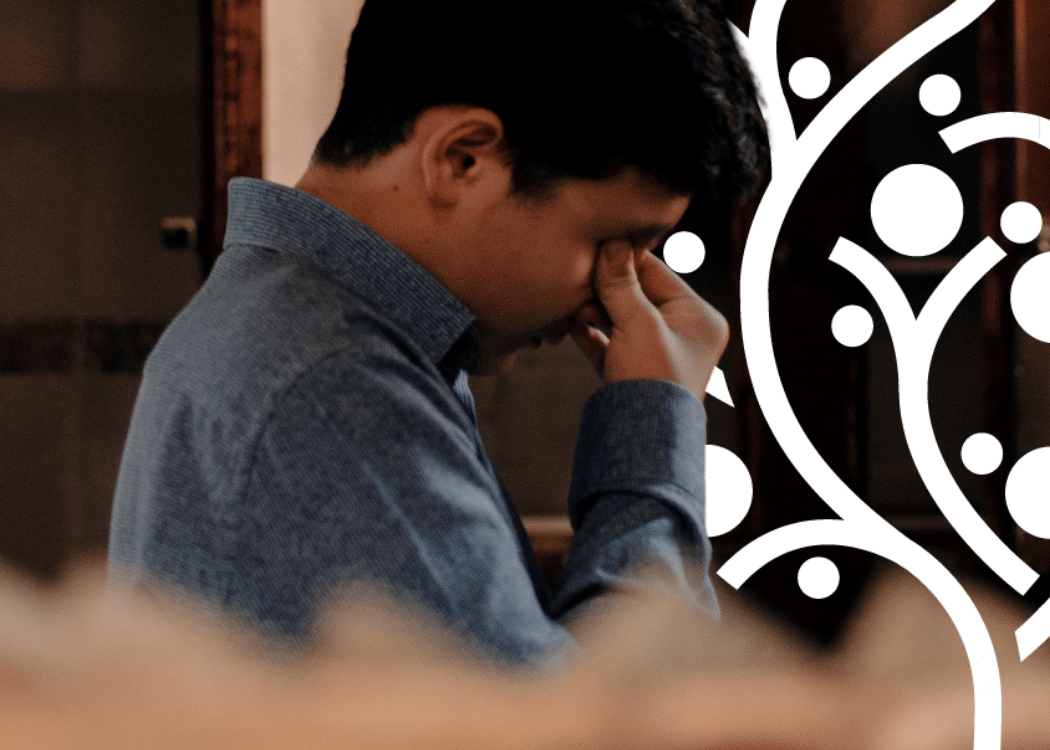
What is anxiety?

Anxiety is a feeling of unease, worry, or fear. There is a difference between feeling anxious and having anxiety.
It's natural to feel anxious at times; it can even be helpful—before an exam or an interview, for example, helping you stay alert and focused. However, anxiety can significantly affect your mental wellbeing, physical health, and overall quality of life.
What are the symptoms of anxiety?
When we feel stressed or anxious, our bodies release stress hormones like adrenaline and cortisol, which can lead to physical symptoms such as:
- A pounding heartbeat
- Faster breathing
- Palpitations (irregular heartbeat)
- Nausea
- Chest pains
- Headaches
- Sweating
- Loss of appetite
- Feeling faint
- Increased need to use the toilet
- "Butterflies" in your stomach
Prolonged anxiety can also cause fatigue, teeth grinding, difficulty falling asleep or staying asleep, and feelings of tension or restlessness. Additionally, anxiety involves emotional symptoms like irritability, feeling on edge, fear, dread, or panic.
How can I reduce anxiety?
It’s easy to think self-medicating is the answer. However, often alcohol, sugar or other substances are likely to make you feel worse. Therapy or medication, while not an instant fix, will help you develop coping strategies to make your day-to-day life easier.
How to react when anxiety takes over.
Fortis therapists recommend:
- Breathing techniques
- Guided breathing videos – you can find them on You Tube
- Use an app designed to help with anxiety (we’ve recommended 3 below)
- Reducing or eliminating caffeine and alcohol
- Being active
- Unplugging from technology and recharging with less screentime
- Be mindful – focus on what’s happening in the very moment rather than in your thoughts
- Think of a safe or happy place and picture yourself there, using all your senses.
- Step outside and get some fresh air.
- Think about what you can change in the situation you’re in and what you can’t.
- Start a gratitude journal.
Top three anxiety apps to try
CALM: The top app for sleep, meditation, and relaxation, CALM uses videos, imagery, music, and masterclasses to manage anxiety and stress effectively.
HEADSPACE: With millions of users globally, HEADSPACE offers meditation essentials, daily mindfulness exercises, and a variety of meditations to aid sleep and reduce stress.
INSIGHTTIMER: This free app is popular for sleep, anxiety, and stress management, offering over 70,000 free, guided meditations, daily talks from over 3,000 teachers, and a range of yoga and music options aimed at improving sleep quality.
Fortis is here to support everyone.
People of all ages, genders, backgrounds and circumstances including couples and families. Adults may access therapy for anxiety to resolve struggles or to adjust to life-changing events, whereas young people may need help with any confusing feelings or life transitions.