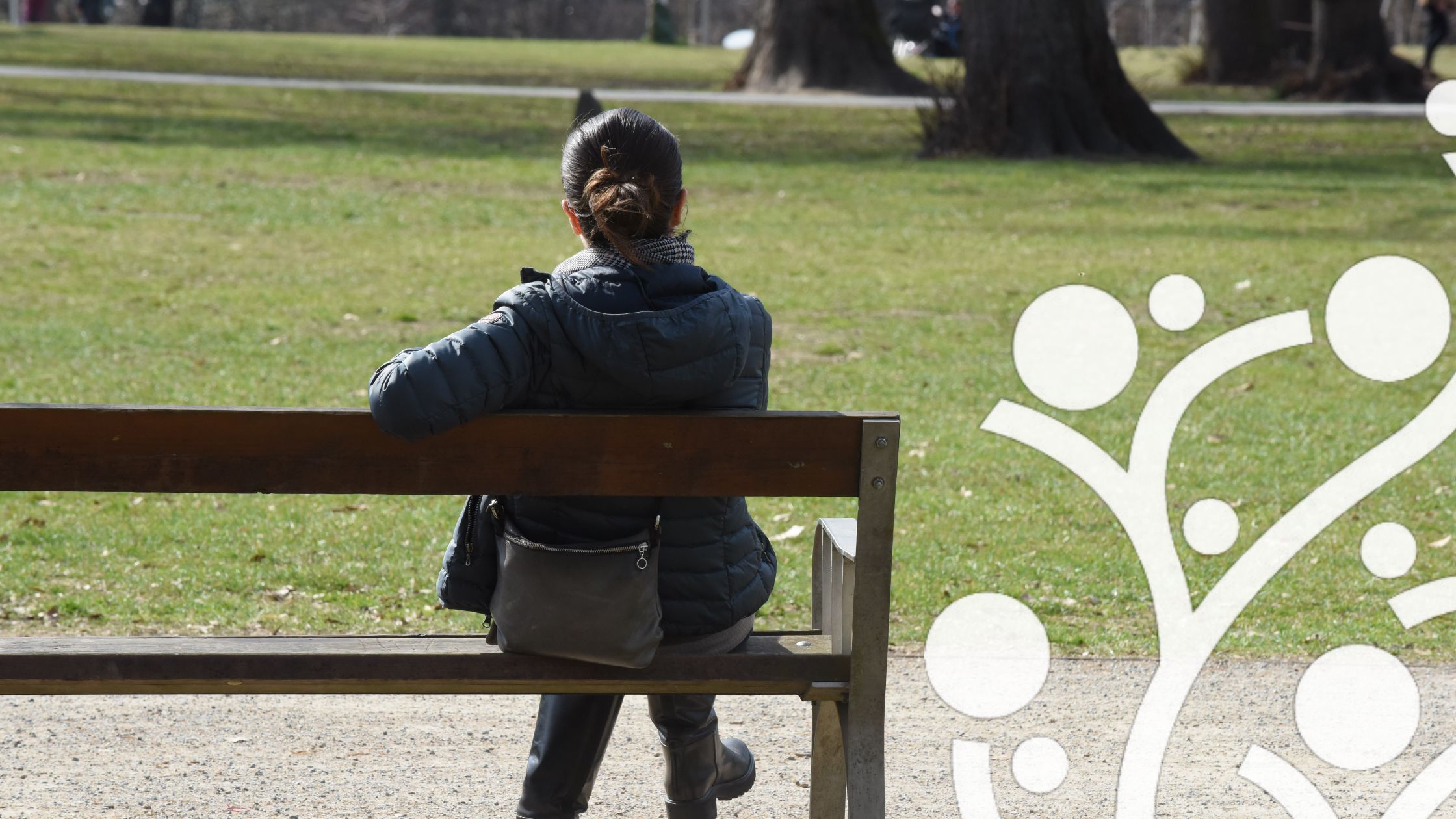
You don't have to be alone to be lonely.
Every June, the Marmalade Trust promotes Loneliness Awareness Week, to raise awareness about loneliness and the effect it can have on those suffering from it.
Who Experiences Loneliness?
Loneliness can affect anyone, regardless of age, background, or circumstances. It's not about being alone but rather about feeling disconnected, unseen, or unheard. Most of us feel lonely at some point, which is a perfectly natural part of life – it’s just your body’s way of letting you know that you’re not getting your social needs met, like how hunger warns you that you need to eat!
In 2023, a survey from Nextdoor in partnership with the Marmalade Trust revealed that 85% of UK adults had experienced loneliness in the last 12 months. Almost half (44%) felt chronically lonely. Often, people assume that the majority of those struggling with loneliness are the elderly, when in fact, 16-29-year-olds are twice as likely to experience loneliness compared to those over 70.
What Causes Loneliness?
You can be lonely for a number of reasons, and often changes to our day-to-day life can increase the likelihood of feeling lonely. Some examples are:
- Moving away from home
- Starting university or a new job
- Becoming a new parent
- Experiencing mental health problems
- A relationship break-up
- Suffering a bereavement
- Retirement
It’s important to understand that you don’t have to be on your own to feel lonely; you can be surrounded by people and still feel alone. Loneliness often comes from feeling unacknowledged, under-appreciated, or misunderstood by those around you.
Three Tips to Manage Loneliness
- Learn to Enjoy Your Own Company
Sometimes, improving our relationship with ourself can help us feel less lonely. Gaining more confidence in yourself may encourage you to start doing activities you enjoy on your own, but be patient with yourself—it can take time. - Tell Your Friends and Family How You Feel
If you’re feeling alone, try to speak to a family member or friend. We know talking about our feelings can be hard, especially face-to-face. Sometimes using text messaging or social media can be easier, especially if you have the time to plan what you’re going to say. There’s a good chance the person you confide in has felt similar and can offer advice or empathise with you. - Connect with Others or Volunteer
Reaching out to people who you think might also be feeling lonely can help you feel less lonely too. When you bump into somebody you know, saying hello and having a short chat might help you both feel better. Volunteering is another good way to meet people, and seeing the positive impact of your efforts will help improve your own mental wellbeing.
mental wellbeing. Remember, it’s okay to feel lonely, but if it starts to affect your day-to-day life, then maybe it’s time to address your feelings. If you would like to talk to a professional, our experienced therapists are here to help. We offer both face-to-face support in Grimsby and online support across the UK, making sure that no matter where you are, help is available.
*Stats the Marmalade Trust